CHINA · MOUNTAIN TRAVEL PLANNING
Travel Insurance for Trekking and Climbing in China: What to Check
Before buying travel insurance for a mountain trip in China, send the insurer the actual itinerary. A valley walk, a high pass and a snow-mountain summit attempt can involve different activities, even when all three appear under “trekking” in a trip description. Ask for a written answer that matches your route, equipment, maximum altitude and travel dates.
This checklist helps you prepare that conversation. It does not recommend a policy or confirm anyone's cover. Your eligibility, benefits and any claim depend on the applicable policy wording, certificate, endorsements and circumstances. The insurer examples below illustrate distinctions to check, not suitability for a SHANLO trip.
Describe the activity, not just the destination
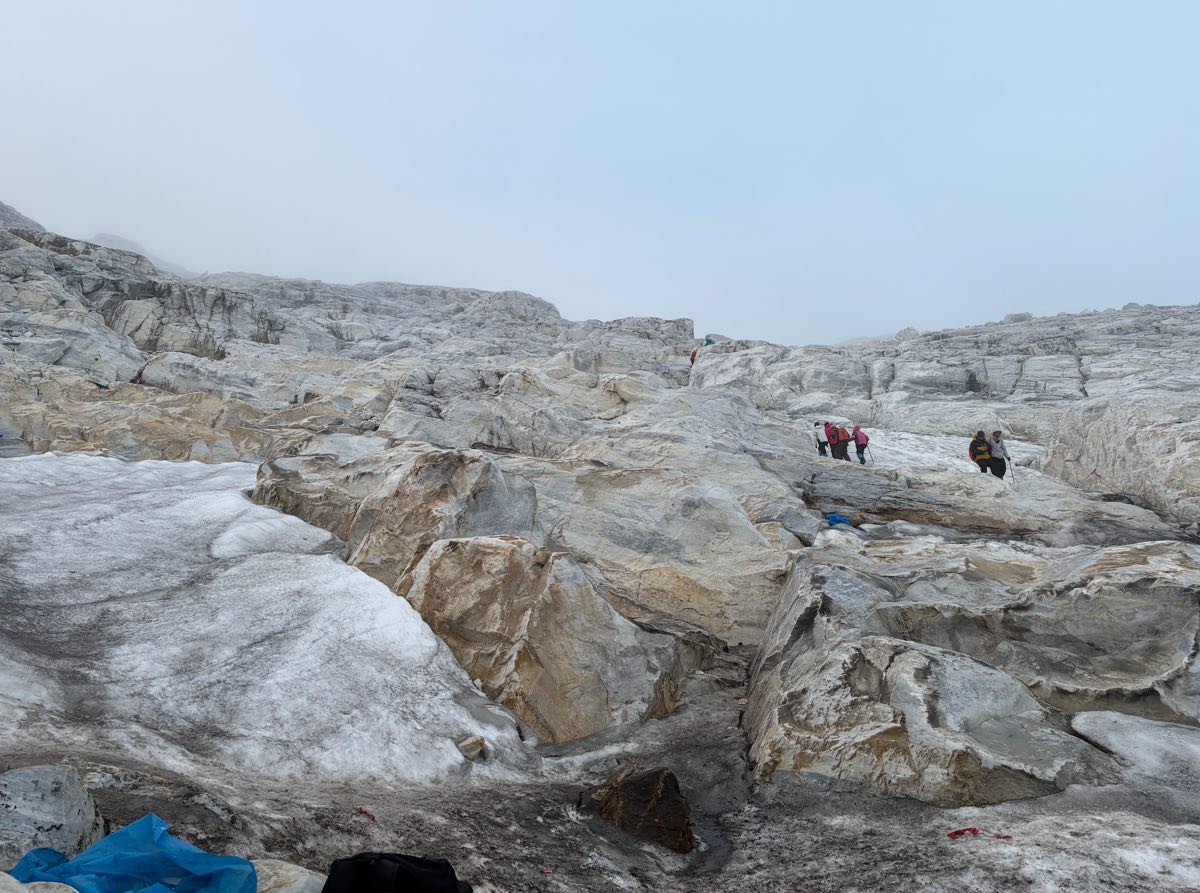
Give the insurer the mountain or trail name, planned daily route, highest point you may reach and overnight locations. Include possible alternatives rather than describing only the easiest version. Tell them about snow or ice, glacier travel, off-trail sections, a summit attempt, and any expected use of crampons, an ice axe, ropes or other climbing equipment. Explain whether a guide is required or accompanies you.
Ask which policy definition applies to each part. For example, Cover-More Australia's policy wording effective 15 October 2025 distinguishes trekking by altitude, duration and specialist equipment, while separately excluding specified mountaineering activities. A trekking altitude allowance alone is therefore not confirmation of climbing cover.
Smartraveller's adventure guidance also warns against assuming that insurance for one activity extends to a related one. Ask about local permits and safety requirements in the policy. Insurance does not authorize entry to a closed or restricted route. Our trekking versus mountaineering guide can help you describe the proposed trip, but the insurer must interpret its own definitions.
Check eligibility, dates and health declarations
Confirm that the policy can be issued to someone with your country of residence, age and current travel status. If you have already left home or live abroad, say so. Check mainland China, any transit destinations, the whole trip duration and whether an annual policy limits each individual journey. Smartraveller's insurance guide highlights these eligibility and destination checks.
Complete the insurer's medical questions accurately. Ask what it requires about previous altitude illness, current symptoms, medicines, pending investigations and changes after purchase. The UK government's insurance guidance specifically advises declaring existing conditions and pending treatment or tests. Disclosure is not a guarantee of acceptance: ask whether any condition is covered, excluded or subject to additional terms. Send private medical information directly through the insurer's appropriate channel, rather than treating a trip enquiry as medical screening.
Separate treatment, rescue, evacuation and repatriation
A large medical limit does not answer every emergency question. Ask the insurer to identify the applicable benefit and exclusions for each of these:
- Emergency treatment and hospital admission after illness or injury on the declared activity.
- Searching for someone who is missing, and extracting someone from the route.
- Medically necessary evacuation to an appropriate treatment facility.
- Repatriation to the home destination defined by the policy.
Ask about limits, sublimits, deductibles and who decides the destination and method of transfer. The CDC's insurance guidance separates travel disruption, health and evacuation insurance and recommends checking approval and payment arrangements. Do not assume that a cancellation benefit pays medical bills, or that evacuation automatically means a flight home.
For a remote objective, ask the assistance provider about that particular region and ask the organizer about the practical ground response. Insurance is financial protection subject to its terms; it cannot guarantee that an aircraft or rescue team can reach you. The Canadian government's adventure-travel advice warns that getting help quickly can be difficult and that insured travellers may still have to pay emergency costs upfront.
Know who to contact and what needs approval
Save the insurer's international assistance number and policy number offline, with a paper backup. Agree who can call on your behalf and how they will obtain your location, itinerary and emergency contact details. Ask the organizer how communication works on the proposed route, including any gaps and backup arrangements.
Before departure, ask the insurer when it must be contacted, which treatment or transport requires prior approval, and what to do if communications fail. Ask whether it can arrange direct payment or whether you may need to pay first and claim later. Cover-More's wording, for example, places conditions on evacuation approval and distinguishes assistance from acceptance of a claim. Do not generalize that process to another policy.
In an emergency, seek urgent local help and contact the assistance service as soon as practicable. Do not delay lifesaving care to complete insurance administration. Our guided-climb support checklist covers the separate conversation about who coordinates the group and descent.
Ask what happens when the mountain plan changes
A safe turnaround and an insured cancellation are different questions. Ask specifically about a park or road closure, permit refusal, an organizer cancelling, a guide stopping an ascent, extra nights and a missed connection. A missed summit is not, by itself, evidence of a payable claim.
AXA's cancellation explanation distinguishes cancellation before departure from interruption and delay, and makes reimbursement conditional on covered reasons and the policy terms. Weather-related disappointment is not a universal insured event. Ask about known-event exclusions, when cover starts and which non-refundable costs are eligible.
Read the organizer's change and refund terms separately. Record what a supplier refunds before calculating any remaining loss. See our weather and climbing guide for planning context; it does not establish an insurance entitlement.
Clarify what “insurance included” means
Ask the organizer for the actual insurer, policy wording, covered people, dates, activity scope, limits and claim contact. Is the item personal accident insurance, travel insurance or the organizer's liability policy? Do not infer the answer from a short package description.
China's Travel Agency Liability Insurance Measures define travel-agency liability insurance around compensation the agency is legally responsible to pay for its organized activities. That is different from confirming your personal medical, evacuation or cancellation cover. A package might include another policy as well; request its documents and check the remaining gaps with your own insurer.
Keep the documents a claim may need
Before travelling, retain the policy wording, certificate, endorsements and written answers about your itinerary. If something happens, follow your insurer's reporting deadlines and document checklist. World Nomads' illness-claim guidance illustrates the records that may be needed: medical reports, admission or discharge documents, transport reports and receipts.
Keep booking confirmations, supplier cancellation correspondence, refund statements and records of assistance calls too. Ask whether Chinese-language medical documents or invoices need translation, and whether originals are required. A complete file supports assessment; it does not guarantee payment.
A short enquiry to send your insurer
“I am considering a trip in mainland China on these dates: [dates]. My proposed route is [route], reaching [maximum altitude], with [guide arrangement, terrain and equipment]. My country of residence is [country]. Please confirm which activity category and policy terms apply, including medical treatment, search and rescue, evacuation, repatriation and relevant trip-disruption cover. Which exclusions, approvals and extra cover should I understand before booking?”
Attach the itinerary and request clarification if the answer refers only to “hiking” without addressing the details you supplied. Recheck the cover if the objective changes.
Planning with SHANLO
When discussing a trek or climb with SHANLO, ask for the proposed route and activity details you need to present to your insurer. Keep the insurer's coverage decision separate from the mountain plan. No insurance product, rescue capability, policy inclusion or claim outcome is promised by this guide.
Source and date note: The official guidance and insurer materials linked here were checked on 6 November 2026. They serve readers in different jurisdictions and are examples, not a statement that those products are available to you. Recheck the current documents for the policy you are considering.
SHAPED AROUND YOU
Start with the route details.
Discuss your proposed mountain, dates and activity so you can ask your insurer specific questions about the journey.