YUNNAN · TREKKING AND MOUNTAINEERING
Haba Black Lake Trek or Haba Summit: What Is the Difference?
Haba Black Lake trekking and a Haba summit climb have different objectives. The lake trip focuses on walking and an overnight mountain stay; the summit trip adds a higher climbing objective, snow-and-ice preparation and a demanding return. Choose by the experience you want, your recent mountain experience and the complete itinerary, including the descent.
This comparison was reviewed on 9 October 2026. Its local service details come from a Haba-area partner's account relayed to SHANLO on that date. They are proposed arrangements, rather than the author's personal trip report, measured route timings or a confirmed departure offer.
Access comes before the itinerary
On 9 October, the local partner confirmed through SHANLO's contact that the proposed lake approach and camping arrangement could operate. We have not received the corresponding management notice, written route-and-camp confirmation or the current process for foreign summit guests. We therefore do not present that confirmation as official permission for the whole protected area.
The Shangri-La government's February 2026 notice restricts activity in undeveloped and unopened parts of the Haba reserve and identifies several route combinations. A named lake or pasture appearing in a restricted combination does not by itself establish that every approach to that place is closed. Equally, a partner's ability to organise a trip does not establish permission for every segment or campsite.
Before a departure is confirmed, the operator needs to identify the permitted approach, overnight site, summit line if relevant, and the requirements applicable to the participants. A visitor registration is not a substitute for a route's permitted status. Restrictions for scientific or emergency access should not be treated as ordinary tourism exceptions.
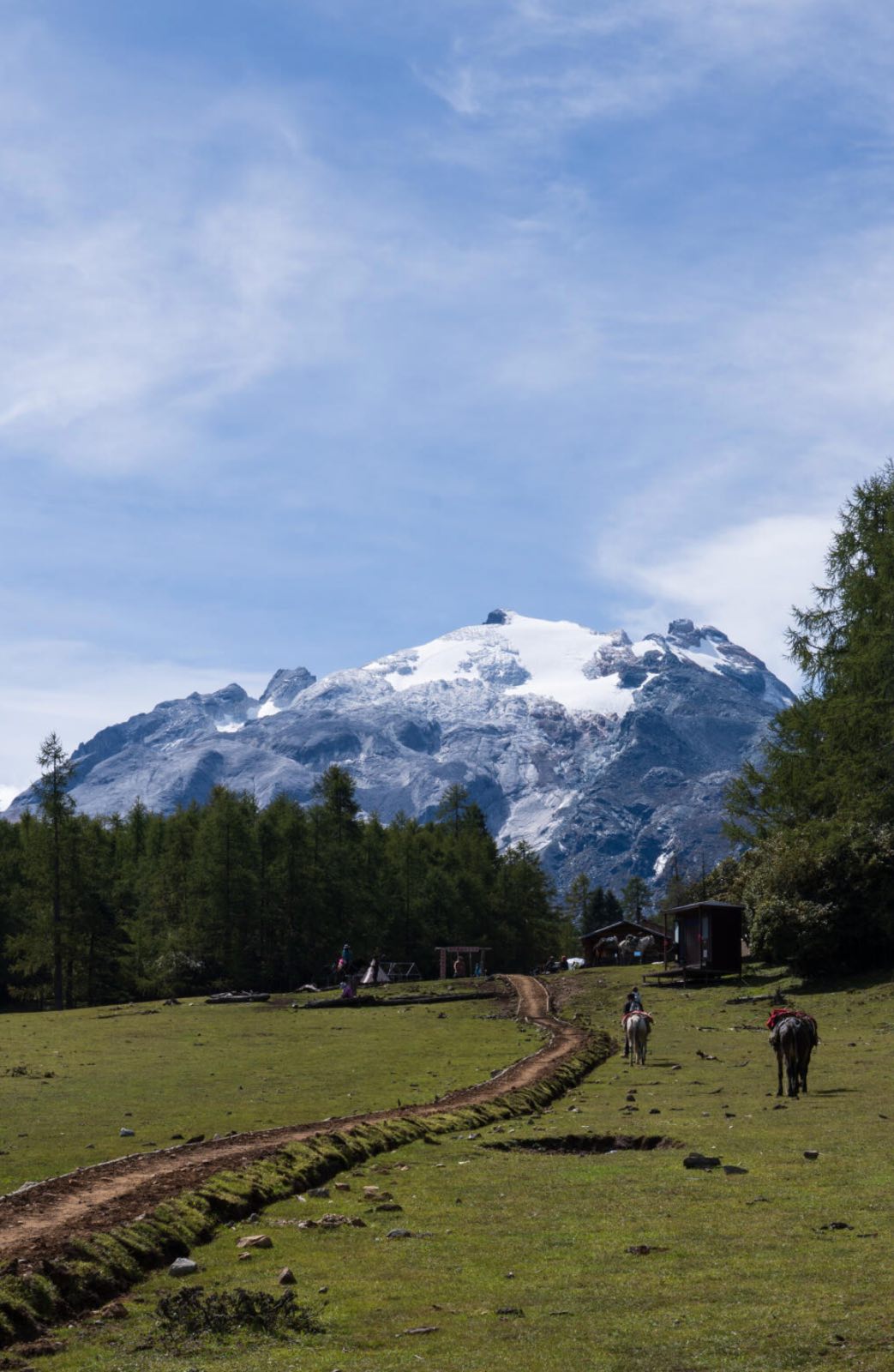
The practical comparison
Scroll the table to compare the options
| Planning question | Black Lake trek | Haba summit climb |
|---|---|---|
| Main objective | Mountain walking, lake scenery and an overnight stay | A summit attempt with a higher objective and a full descent |
| Partner's proposed duration | Two days and one night | Three days and two nights |
| Partner's proposed overnight arrangement | Tent camping; the supplied plan asks guests to bring a sleeping bag | A village guesthouse night and a higher base-camp night |
| Preparation to discuss | Walking endurance, altitude adjustment, camping comfort and a return plan | The same foundations, plus the route's snow-and-ice equipment, training and guiding arrangements |
| Food boundary in the supplied plan | Camp dinner is described; the complete meal list needs confirmation | Dinner is described; daytime trail food is listed as self-provided |
| Horse support | Optional and charged separately where permitted and available | Do not assume horse assistance on the upper mountain |
| Access status | Partner-reported; the exact approach and camp still need documented confirmation | The exact permitted line and participant approvals still need confirmation |
These durations are the partner's examples. They are not a recommendation to arrive from sea level and immediately follow the shortest schedule. Include travel before the mountain programme, time to adjust to altitude and a realistic return buffer.
What the lake proposal actually tells us
The local partner describes a Lijiang meeting point, a transfer to the Haba village area and a two-day programme with an overnight tent stay. The supplied itinerary includes village luggage storage and a vehicle transfer before walking. Those details help explain why a supported lake trek differs from carrying everything on a self-organised expedition.
They do not establish the total walking distance, accumulated ascent, descent time or current trail conditions. The partner supplied several outward leg estimates, but the return walking and complete second-day duration remain unconfirmed. Adding the outward estimates would give an incomplete day and could make the programme appear easier than it is.
The reply gives the lake as approximately 4,200 metres. That figure is a partner-supplied estimate, not a SHANLO measurement; other published accounts use a different elevation. For assessing the proposal, the important point is that the partner places the lake at high altitude. Confirm the actual route's highest point and sleeping elevations before relying on a numerical profile.
No turn-by-turn lake approach or optional base-camp extension is provided here while the permitted boundaries are still being checked. Ask for the complete route, daily ascent and return timings together, rather than choosing by a three-star difficulty label alone.
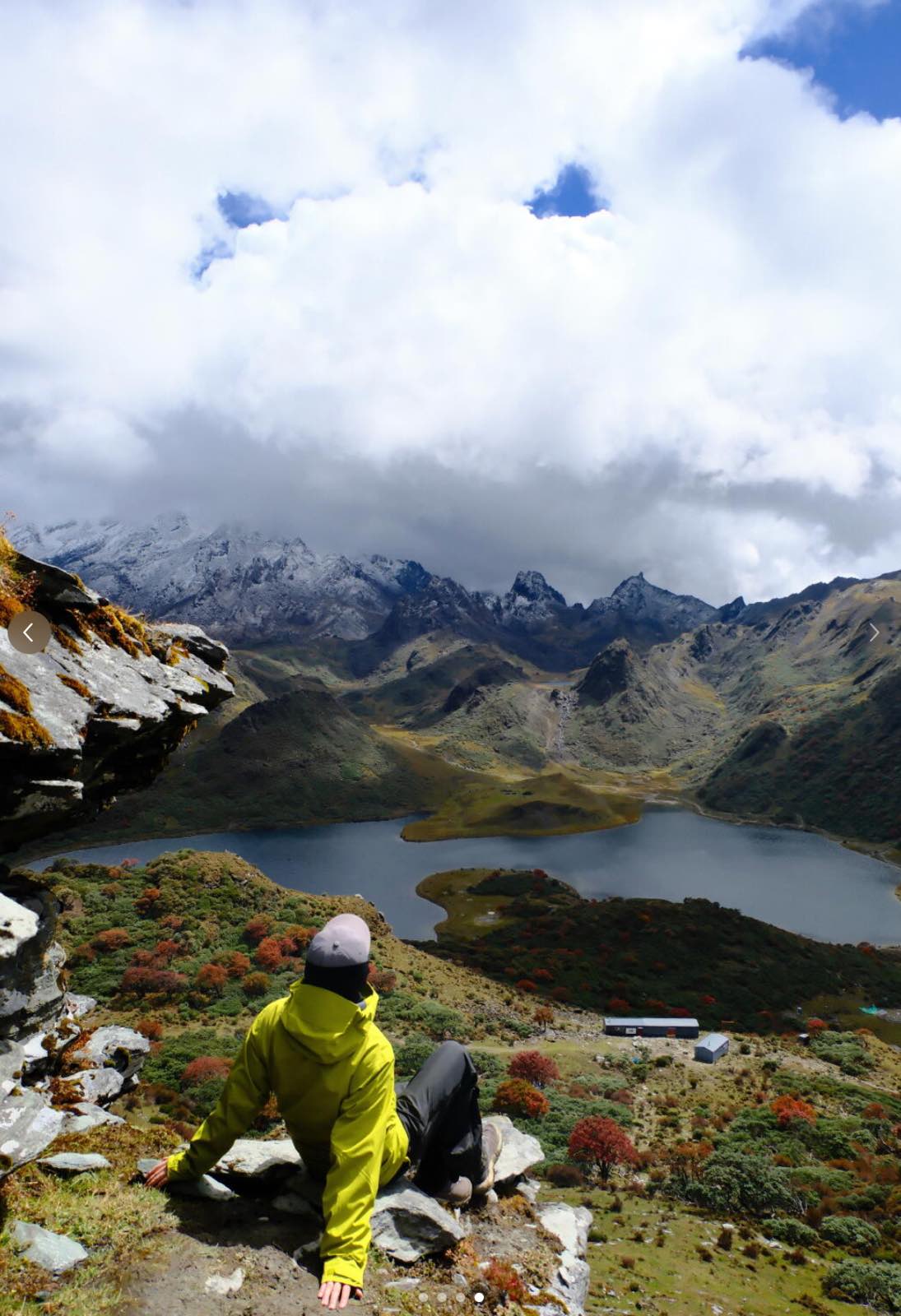
What changes with a summit objective
Haba's summit is reported at 5,396 metres in Yunnan's account of the January 2024 climbing event. An event report establishes a historical ascent, not present-day access or suitable conditions for your dates.
The partner's three-day proposal includes a village night, a higher camp and a summit-attempt day followed by the return to Lijiang. That final day needs scrutiny: ask separately for the planned climb, descent, vehicle transfer and what happens if the return takes longer than expected. Leave enough flexibility before a fixed flight or train.
The partner reports a route briefing and crampon-use instruction before the programme. Instruction is useful, but it does not by itself establish readiness for the actual terrain. Ask what equipment practice covers, how the guide assesses participants, and which conditions would change or stop the attempt. There is no supported basis here for ranking Haba as the hardest beginner 5,000-metre mountain.
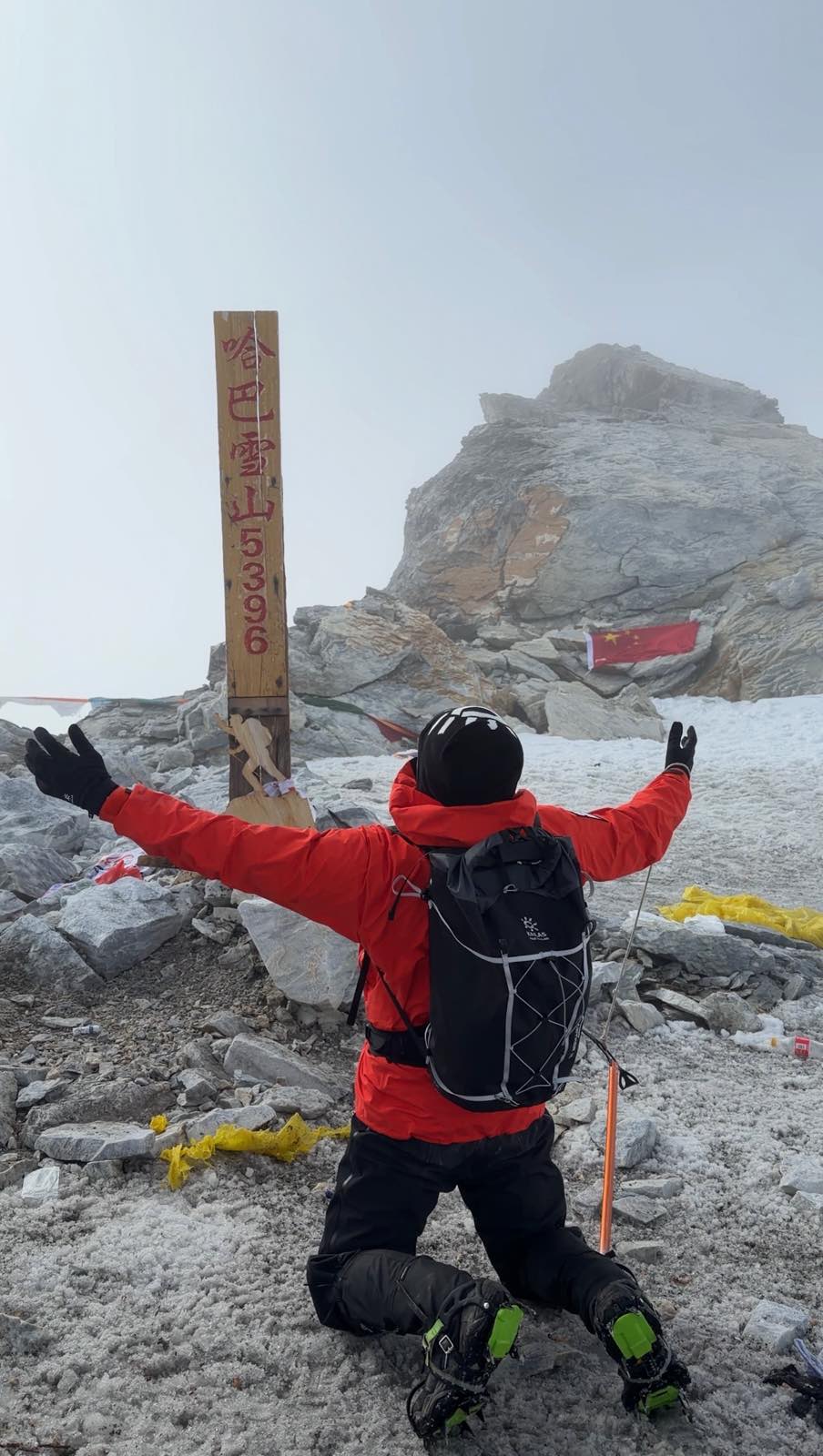
Fitness and altitude are different questions
An absence of symptoms at the start does not establish that you will remain well at a higher elevation. The CDC Yellow Book's altitude guidance explains that fitness does not prevent altitude illness and that ascent rate and sleeping altitude matter. Symptoms can emerge after arrival, so an initial feeling of wellness is not an adequate screening method.
Discuss recent walking endurance and previous altitude responses separately. A short programme may need more time before it begins; neither a campsite nor a briefing guarantees acclimatisation. If altitude-illness symptoms develop, do not continue ascending, and alert the guide. People with relevant health conditions should discuss the proposed altitude and activity with a clinician familiar with high-altitude travel. A diagnosis such as asthma should not be turned into a blanket exclusion without individual assessment.
Equipment that can be arranged is not equipment included
The reply says equipment and other services can be provided, but also lists a self-provided sleeping bag, self-provided trail food and separately paid horse assistance. A useful booking proposal must resolve those boundaries explicitly.
Request an itemised list showing included equipment, available rental, personal items and any additional charges. For a climbing proposal, ask which boots and crampons are intended to work together, what other route-specific equipment is required, how fit and condition are checked, and what training is provided. These are confirmation questions, rather than a complete technical packing list.
Apply the same distinction to transport, accommodation, English communication and luggage support. Confirm whether English is provided by the person guiding on the mountain or through another arrangement, and how instructions and concerns will be communicated throughout the programme. “Can arrange” should not be read as “included at no extra cost.”
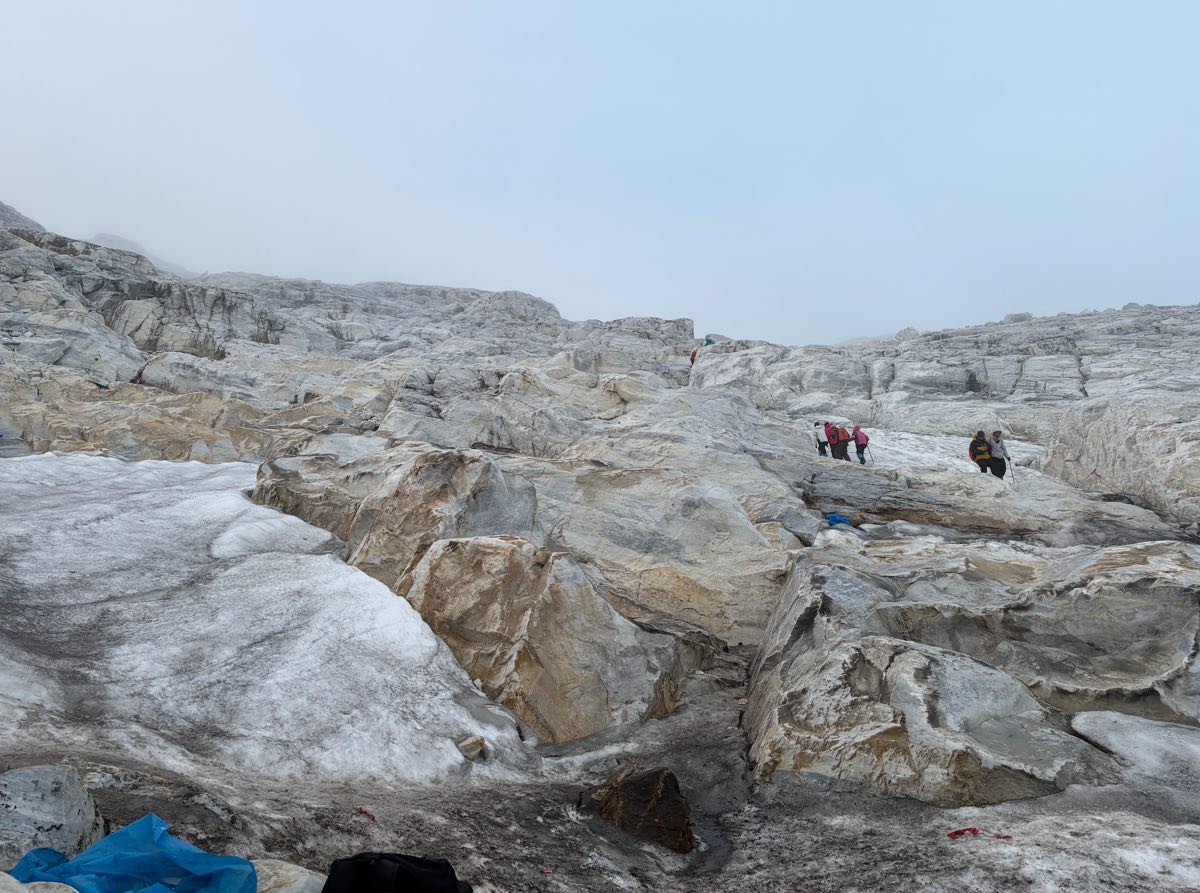
Guiding, turning around and permitted support
The partner reports one-to-one summit guiding and says that participants sometimes return early because of fatigue or altitude-related problems. This is an account of their approach, not a dated incident record, a measured turnaround rate or a guarantee of safety.
The local government's January 2024 management notice specifies one qualified local mountain assistant per participant above base camp, while setting different guide limits for activities below it. The notice also prohibits riding above base camp and allows temporary closures. These provisions do not establish that a particular departure has received approval.
Confirm who makes the turnaround decision, how a participant returning early is accompanied, how the remainder of the group is managed, and what the communication and evacuation arrangements cover. Do not interpret a close guiding ratio as a promise that an accident cannot happen or that immediate rescue is always possible.
We confirm mountaineering eligibility and required arrangements on a case-by-case basis.
Which objective fits your trip?
Start with the lake objective if your priority is scenery, walking and a mountain overnight rather than reaching a summit. It still needs a suitable altitude plan, a permitted camp and enough endurance for the complete return.
Consider a summit objective only if you want the additional climbing preparation and can allow time for assessment, adjustment and a changed outcome. Snow or ice on a mountain is not evidence that it can be climbed safely or legally throughout the year. The partner's seasonal suggestions need checking against the chosen route, current conditions and management arrangements.
If you are still deciding between these experiences, our trekking versus mountaineering comparison explains the broader choice. SHANLO plans trips across China, with Yunnan and Western Sichuan as key areas. Share your dates, recent mountain experience and priorities through our tailor-made travel enquiry so the discussion starts with a suitable objective and the arrangements that still need confirming.
Frequently asked questions
Does reaching Black Lake mean I am ready for the summit?
No. A lake walk does not demonstrate readiness for a higher climbing objective, its terrain, equipment or descent. Assess the summit programme separately.
Are the two-day and three-day programmes complete travel recommendations?
No. They are examples supplied by the local partner. Travel before the programme, altitude adjustment, the complete return and any spare time need individual planning.
Are all meals and equipment included?
Not established. The reply explicitly lists some personal provisions and separately paid horse assistance. Confirm an itemised inclusion and rental list before accepting a quote.
SHAPED AROUND YOU
Start with the mountain experience you want.
Share your dates, recent mountain experience and priorities so we can discuss a suitable objective and the arrangements that need confirming.