DALI · CANGSHAN WALKING CHOICES
Cangshan Hiking in Dali: Jade Belt Walk or High-Mountain Visit?
A Cangshan outing can mean a walk along the mountainside, a cable-car journey to a much higher viewpoint, or a combination of transport and walking. Those are different days—not interchangeable versions of the same hike.
Before choosing a ticket, decide what you want to spend your time doing: walking through the mountain landscape, reaching a high viewpoint, or keeping the day flexible. Then match the specific open path and return arrangements to that priority. If you are still deciding between regions for a longer trip, our Yunnan and western Sichuan trekking comparison can help frame that choice.
Jade Belt and Ximatan are different choices
The Jade Belt Road, also called Yudai Yunyou Road, is one of the walks highlighted by UNESCO's Dali Cangshan Global Geopark guide. Think of it as a named walking corridor—not permission to explore any path on Cangshan.
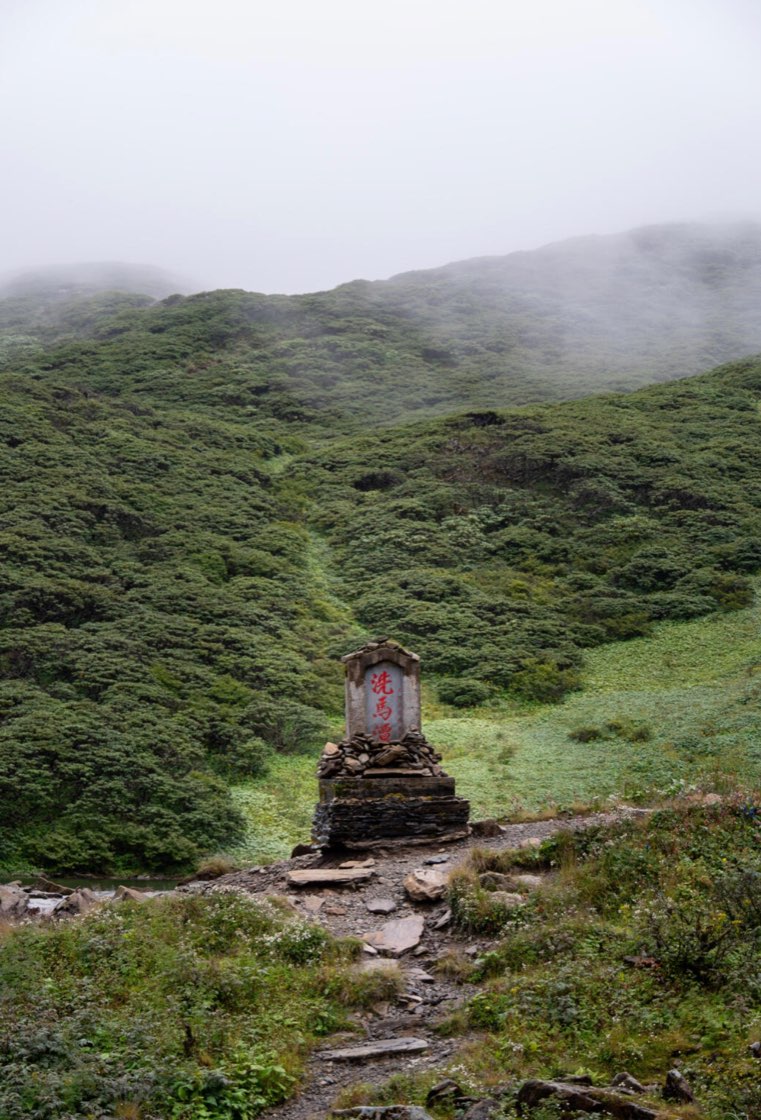
The reserve authority's guidance published on 6 February 2026 identified its listed visitor section as Qingbixi to Taoxi Bridge. The same guidance separately listed the Ximatan sightseeing boardwalk, from the upper cable-car station to its viewing platform. These are distinct visitor routes, not one continuous summit hike. The dated list is a useful reference, but it is not a guarantee that every section is operating on your travel day. Read the authority's route notice.
For a walking-focused outing, ask about the exact Jade Belt section and its access connections. For a high-mountain sightseeing visit, ask specifically about the Ximatan upper section and the walking available there. Avoid booking either simply under the label “Cangshan tour.”
Compare the access points—not just the mountain's name
These choices reach different parts of Cangshan. A Dali municipal document places the Gantong cable car's upper station at Qingbixi at about 2,550 metres. Ximatan is a higher-mountain sightseeing choice, but a station height does not describe every part of a walk. Gantong infrastructure document.
That difference matters even when both plans include a cable car. A lift changes the amount of climbing on foot; it does not make the two destinations equivalent. Do not select the higher option only because it sounds like the more complete visit.
Cangshan is a mountain range. UNESCO identifies Malong as its highest peak, at 4,122 metres. A visit to the Ximatan viewing area should not be described as summiting that peak. This article covers managed visitor experiences, not off-trail summit routes.
Ask for the walking distance you will actually do
“Walking distance” should mean your whole proposed day: the selected path, connections from transport, steps to viewpoints and the return to your exit. A headline length for Jade Belt Road does not answer that question.
Before agreeing to a plan, request:
- The start and finish by name, including the Chinese names if helpful.
- The distance on the chosen open section, rather than a whole-trail estimate.
- The walking needed between cable-car stations and that section.
- Any sustained steps or significant ascent and descent.
- A turnaround point if someone wants a shorter walk.
- The exit and collection point if the walk ends somewhere different.
A shorter out-and-back can be a useful planning option when a group wants flexibility, provided the selected section and return access are confirmed. A through-walk needs both ends checked: an attractive finish on a map is not enough if the exit, onward transport or last boarding time does not work.
“The cable car is open” is not a complete answer
Ask which cable car, which section and which destination it is reaching.
An operator announcement published on 8 April 2026, ahead of Ximatan's resumption of trial operation on 10 April, explained that strong winds or lightning could mean slower operation or a change to the Qilongnv Pools line only. That notice illustrates why an operating lower section does not necessarily mean access to the upper Ximatan area. It is not a current operating report. Operator announcement.
For your date, confirm the full intended journey, the last return boarding time and the alternative if the upper section cannot run. Check again on the day rather than relying only on a ticket description or an earlier forecast. For the wider decision, see our guide to weather-related changes in a mountain plan.
If your main goal is walking, decide in advance whether a different confirmed-open walking section would still meet that goal. If the high viewpoint is the main reason for going, be prepared to change the day's plan rather than treating a lower-only ride as the same experience.
Stay within the currently permitted visitor area
A signposted path, an online track or a guide's willingness to go does not by itself establish permission.
Dali's notice issued on 24 August 2025 distinguishes protected zones: the core zone is closed to entry, tourism is prohibited in the buffer zone, and visits in the experimental zone remain subject to management requirements. It also prohibits ignoring restrictions on unopened areas. This should not be misread as a blanket statement that all Cangshan visitor areas are closed—or as permission to leave them. Officially republished notice.
Use the route-specific notice that applies to your trip date and follow on-site instructions. Do not substitute an informal detour if an intended trail is closed. A separately confirmed, permitted alternative is a different plan.
A practical checklist for a Dali walking day
Send the person arranging your outing a short brief before discussing transport:
Your priority: walking time, mountain views, or a gentler day with limited walking.
Your group: usual walking distance, comfort with steps and any needs that affect the choice of route.
Your exact plan: named path section, entry, exit, total walking and return arrangement.
Your day-of checks: trail opening, operating cable-car section, weather, last boarding and any changed instructions.
Your preparation: footwear suited to the confirmed path, layers for the actual destination, rain protection, water and enough time to return without rushing.
Ask what is included in any proposed arrangement rather than assuming that cable cars, local transfers or other services are covered. The best choice is the one whose actual walking and logistics fit your group—not the ticket that appears to reach the highest point.
Plan Cangshan as part of your China trip
Share your travel date, group size, usual walking experience and whether you prefer a walking-focused day or a high viewpoint with SHANLO through the site's existing enquiry option. Those details provide a better starting point for discussing a tailored outdoor trip than “one day on Cangshan.”
The specific route, access and services should be confirmed for your dates. No clear-weather view, open upper cable-car section or fixed trail condition can be promised from a general guide.
SHAPED AROUND YOU
Talk through your Cangshan plans.
Share your travel dates, walking preferences and group needs to discuss a suitable, currently permitted Cangshan option.