WESTERN SICHUAN · MOUNTAIN PREPARATION
What Experience Do You Need to Attempt Siguniangshan Dafeng?
If you are considering Siguniangshan Dafeng as your first high mountain, start with your recent hiking experience, the proposed sleeping elevations and the skills the conditions will require. A previous summit is only one part of that conversation.
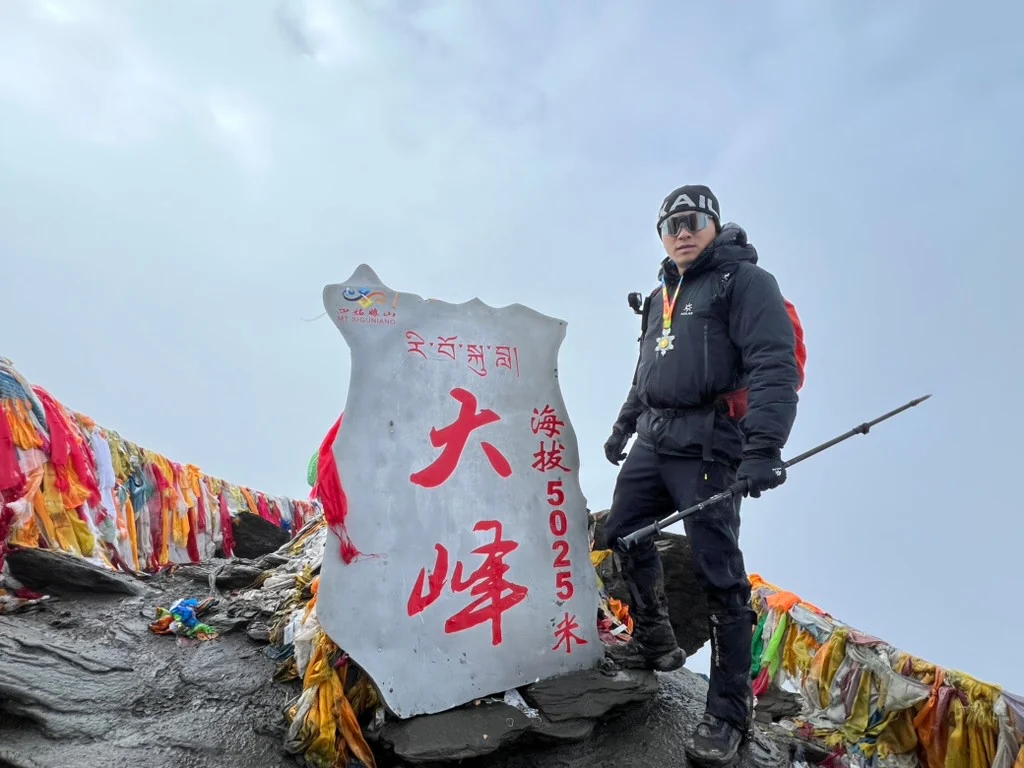
Dafeng, also called Daguniangshan, is listed at 5,025 metres by the Siguniangshan management authority. Its mountaineering page places the peak in an introductory category and encourages professional leadership and preparation. Those descriptions are a starting point for planning, rather than a personal assessment of whether you are ready. Official mountaineering overview
For an overseas visitor, the useful question is practical: can the proposed ascent be matched to your experience, with enough room to adapt the plan? This guide explains what to discuss before you commit.
What does introductory mean on Dafeng?
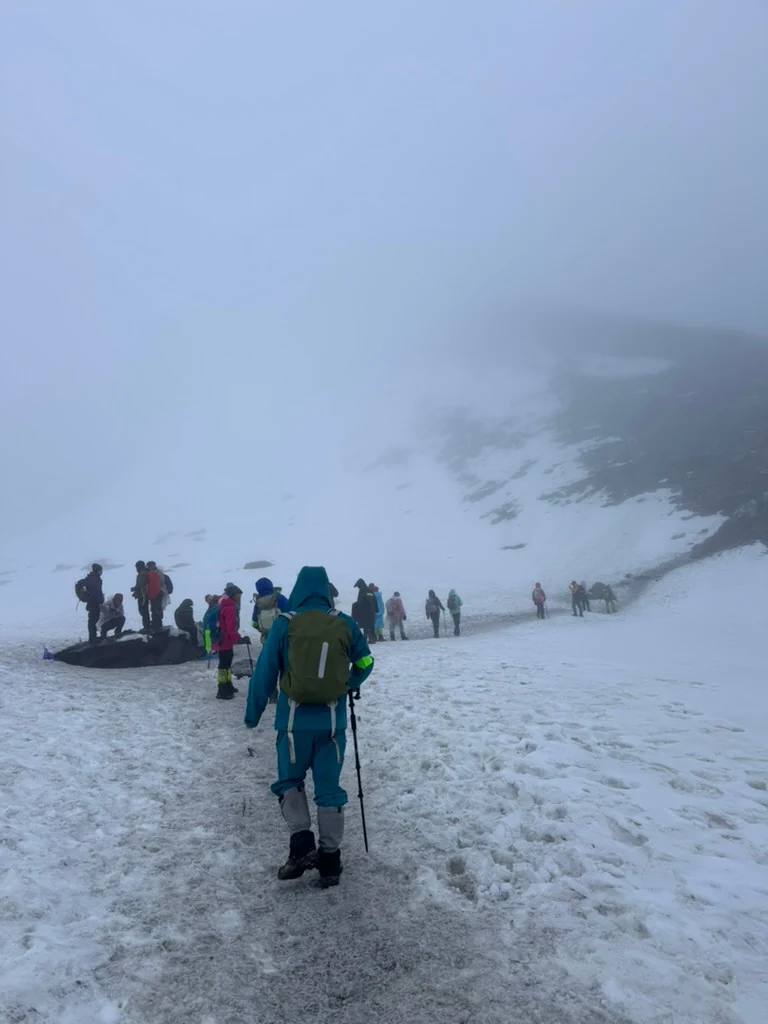
Treat the label as a reason to ask more specific questions. Which parts involve ordinary walking? What footing, exposure or snow-and-ice skills could be involved on your dates? What must you already know, and what instruction would be provided?
The authority's August 2026 mountain-event description identifies loose-rock terrain between basecamp and the summit. It describes particular event routes, so its distances and eligibility rules should not be copied into a private trip as universal requirements. It does show why a short-looking line on a map needs a closer conversation about terrain. Official event route information
Our guide to trekking and mountaineering in China gives context for the different activities. Ask your organizer to explain the ascent in plain language. If a description relies entirely on the word “beginner,” request enough detail to picture the walking, the descent and any skills you would need.
Understand the elevations before choosing the schedule
The official mountaineering overview places Siguniangshan town at approximately 3,200 metres. The authority's 2026 event information uses 4,250 metres for the Dafeng basecamp. These are useful reference points, with the event figure tied to that published arrangement; confirm the actual overnight location in your own proposal.
Look at the whole elevation sequence, including where you arrive from and where you sleep before heading higher. Ask for the overnight elevations to be written beside the proposed walking plan. Seeing the figures together makes a compressed plan easier to recognize.
Basecamp should not be treated as an automatic acclimatization stop simply because it is below the summit. The CDC emphasizes gradual ascent and attention to sleeping-altitude gains. Fitness does not protect against altitude illness, and past success at altitude cannot guarantee the same response on another trip. CDC altitude guidance
If a proposed schedule leaves no room to adjust, discuss a different ascent profile or objective before booking. There is no single duration that this article can declare suitable for every visitor.
Describe experience that a guide can assess
Send concrete examples from your recent hiking. A useful account might include the distance, ascent, descent, time on foot, pack carried and how you felt toward the end. Add whether the ground was smooth, rocky, muddy or snowy.
Include the downhill part. “I reached the top” leaves out whether the descent was comfortable, whether your feet hurt and whether you still felt in control on uneven ground.
For Dafeng, it is also worth saying plainly if you have never walked before dawn, stayed in basic mountain accommodation or used any equipment the proposed conditions may require. The organizer needs to know which experiences are familiar and which would be new.
These details support an assessment; they do not create a self-certification test. The UIAA's route-planning guidance considers participant competence alongside route difficulty, conditions and objective hazards. Use that framework when discussing what preparation or instruction you need. UIAA route-planning guidance
A running result or gym routine can describe one aspect of fitness. It cannot answer every question about mountain movement, altitude or the proposed ascent.
Discuss the overnight stay and early start
Ask what the actual overnight arrangement would be: where you would sleep, what facilities are available, and what bedding, food, drinking water and charging arrangements are confirmed. Have the organizer distinguish confirmed services from details that still depend on availability.
The official 2026 event description includes a pre-dawn summit departure. Treat that as a prompt to discuss your own proposed start, rather than copying a departure time from someone else's trip.
If you would be moving in darkness, ask how that changes the briefing and preparation. You should understand how the group stays together, how to communicate a problem and what happens if you need to stop or return.
For travelers used to a warm climate, discuss comfort during rest and the overnight stay as carefully as comfort while walking. Ask for a conditions-specific clothing and sleeping plan. An old travel report's temperature reading is not a forecast for your visit.
The practical details matter: which items stay with you, when you can access any transported bag, and what you need to manage yourself. Do not assume that horses, porters, heating or a particular room arrangement are part of the booking.
Know which symptoms must change the plan
Report a new headache, nausea, dizziness or unusual fatigue promptly. These can be symptoms of altitude illness. Do not go higher while symptoms persist; descend if they worsen despite rest.
Confusion, poor coordination or breathlessness at rest are emergency warning signs. Seek immediate help and arrange prompt descent with assistance, minimizing exertion. Do not wait for a planned summit turnaround time.
This is general health information, not a diagnosis. If you have a relevant medical condition or previous altitude illness, discuss the trip with a clinician familiar with high-altitude travel before deciding. CDC advice for high-altitude travelers and CDC clinical overview
Check your dates without relying on a season label
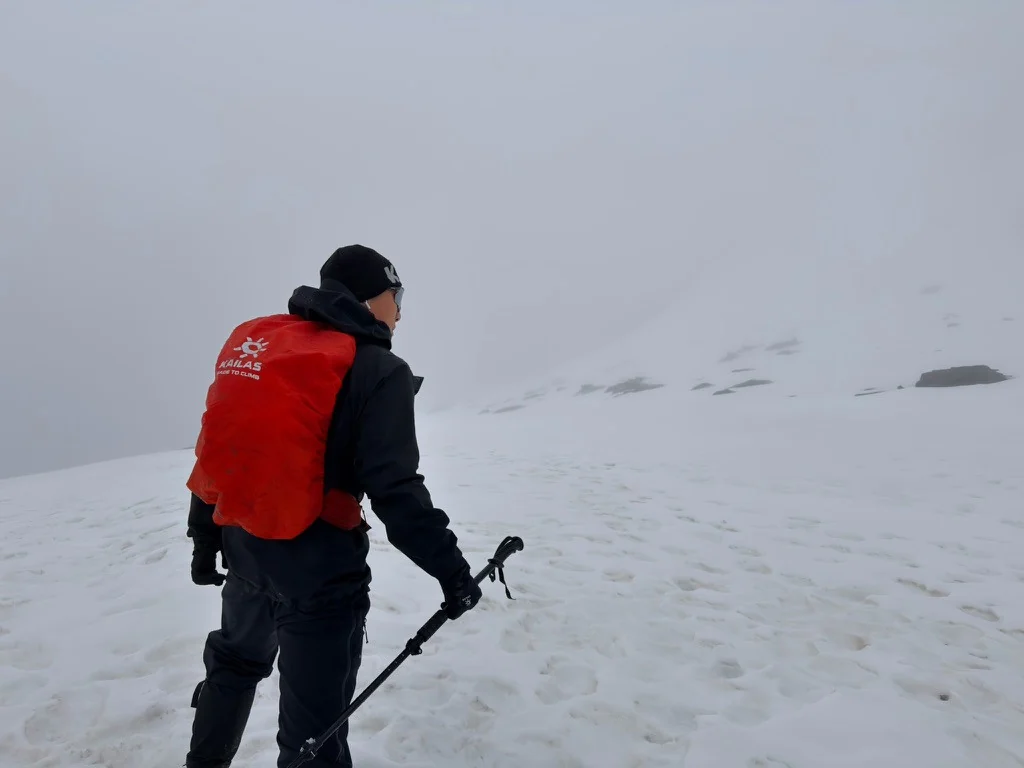
An autumn label cannot confirm the conditions of a particular departure. Ask for a recent route assessment and the current forecast at the relevant elevations, then ask when the plan will be reviewed again.
A waterproof jacket and overtrousers deserve careful attention. Choose waterproof, breathable outer layers suited to the expected conditions, and manage ventilation and layers as you climb. A non-breathable rain layer can trap moisture during hard uphill effort, leaving inner clothing damp with sweat. Wet clothing and chilling increase the risk of hypothermia. Breathable fabrics help moisture escape, but you still need to avoid overheating and adjust your layers as conditions and effort change. NOAA outdoor weather guidance and CDC hypothermia guidance
For Dafeng, we recommend well-fitting waterproof, breathable hiking or mountaineering boots suited to the expected terrain and conditions. Try them with the socks you plan to wear and use them on practice walks before departure, checking for pressure points and heel movement. Waterproofing can help keep out rain and snow, but breathable membranes do not prevent all sweat buildup. A waterproof label alone does not establish warmth, grip or crampon compatibility; ask your organizer to confirm the exact footwear and any compatible equipment needed for your dates.
If thunder threatens, stop the summit attempt, move away from exposed high ground and seek substantial shelter, such as an enclosed building or hard-topped vehicle. No outdoor location is fully safe from lightning; moving downhill alone does not guarantee safety. NWS lightning guidance
Current access is a separate check. Ask the organizer to verify the applicable arrangements for your specific departure against current official requirements, including the proposed overnight stay. A sightseeing ticket, an old trip report or a mountain-event announcement cannot settle those questions for your own booking.
Agree how decisions will be made on the mountain
Before departure, understand who leads the ascent, how you will communicate and how a decision to change or stop the attempt will be handled.
Useful questions include:
- Who will brief me, and in which language?
- What experience and qualifications are relevant to the people leading this particular ascent?
- What happens if members need different paces or one person must descend?
- What conditions would lead the team to change the plan?
- What communication and emergency arrangements are planned, including alternatives if a phone does not connect?
There has been a real communications improvement: the authority reported that a China Mobile 5G base station at Dafeng basecamp entered service on 1 May 2026. That announcement does not establish continuous reception along the ascent, compatibility with every visitor's phone or an assured rescue response. Ask about the team's arrangements rather than relying on your own mobile signal. Official basecamp communications announcement
Decide whether Dafeng fits this trip
Dafeng is often described as an entry-level high mountain, but it still demands serious preparation. If you are traveling from Southeast Asia and are used to a warm climate, prepare your clothing and equipment well before departure. We recommend bringing your own suitable equipment rather than planning to rent it for Dafeng. Check fit, condition and function in advance: looking like mountaineering equipment is not enough. Your own gear needs these checks too.
Dafeng is worth discussing if the mountain interests you and you are willing to let the assessment shape the plan. Be open about unfamiliar terrain, previous altitude problems and the amount of preparation you can realistically undertake.
If your main goal is mountain scenery, ask about a suitable walking alternative as well. If your dates leave little flexibility, decide which matters more: this particular summit attempt or a trip that better fits the available time.
Make room for a changed objective before traveling. A summit should remain an outcome that depends on conditions and the people involved.
Frequently asked questions
Do I need to have climbed another high mountain first?
A previous climb gives your organizer useful information, but it cannot establish readiness by itself. Discuss your recent walking, relevant skills, altitude history and the exact requirements of the proposed ascent.
Is there a fitness benchmark that guarantees I can climb Dafeng?
No single hiking time or running result can establish that. Ask the organizer how your experience compares with the actual terrain and workload, and treat altitude preparation as a separate consideration.
Can I use a summit-success percentage to choose my trip?
A general percentage cannot predict your outcome. Ask what is known about the current plan, conditions and your preparation instead of treating a published figure as a promise.
Planning with SHANLO
SHANLO plans custom trekking and mountaineering trips across China, with a focus on Yunnan and western Sichuan. When discussing Dafeng, share your dates, recent mountain walks, previous altitude experience and what you hope to get from the trip. Those details provide a useful starting point for choosing the right approach.
To discuss whether Dafeng suits your plans, send a tailor-made travel enquiry with your dates, recent hiking and altitude experience, and any equipment questions.
SHAPED AROUND YOU
Discuss your mountain plans.
Share your dates, recent hiking and altitude experience so we can discuss whether Dafeng fits your trip.